I Want to Die But I Want to Eat Tteokbokki: A Short Review
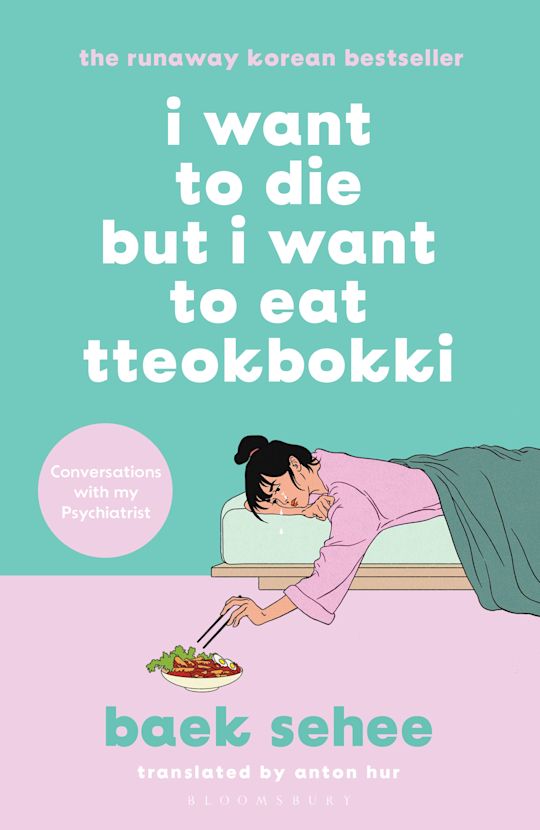
I picked up I Want to Die But I Want to Eat Tteokbokki out of genuine curiosity. I wanted to see if it would surprise me—if it offered a fresh lens, or a deeper exploration of how the author thinks about life, pain, and suicide.
I have survived the loss of someone to suicide. While I’m open about that experience—and could speak about it at length—I’ve always been curious about how people with suicidal ideation actually process their thoughts from the inside.
I’ve also encountered literature that felt far more devastating, and I’m already familiar with unfiltered, real-life conversations around dysthymia and suicide.
Why hold back?
I’m not saying the book needed graphic detail to be effective—but there’s a sense of filter here that softens the weight of depression. Articulating that rawness takes a certain kind of writer, and for me, that depth didn’t quite come through.
Maybe I have a penchant for depressive writing (if there’s such a term), and I’ve written (and even been awarded for) work that takes you into the heart of sadness but leaves you without tears. So perhaps it was that gut-wrenching punch I was looking for.
If I’m being honest, I felt disappointed. The book was pricey, and at times it read like a teenager’s diary. The final section, in particular, felt rushed, almost as if it were published for the sake of.
Culturally, I understand why this book is considered a breakthrough, and I respect the courage behind it. But courage and context don’t automatically translate into strong writing.
Context can amplify resonance, but context alone cannot create it.
Perhaps that’s why it didn’t land for me—I’m not Korean. As an international reader, I don’t feel compelled to champion the book solely for its cultural significance. I’m simply not the target market, and that’s okay.
It’s very much someone else’s cup of tea.
You can finish it in one sitting, and I genuinely hope others find comfort in it, even if I didn’t, in the way I expected to.
It is a quick and quiet read that didn’t break me, but left reminders. My biggest takeaway: Try to see all things three-dimensionally–look at yourself and others as a whole. That means we can like an aspect of another, while hating another aspect.
And that’s okay. It’s okay, Baek Sehee. Rest in power.
Have you read this book? Share your thoughts in the comments down below!
Want your copy? Get it here (affiliate link):

0 Comments